By Caleb Kench
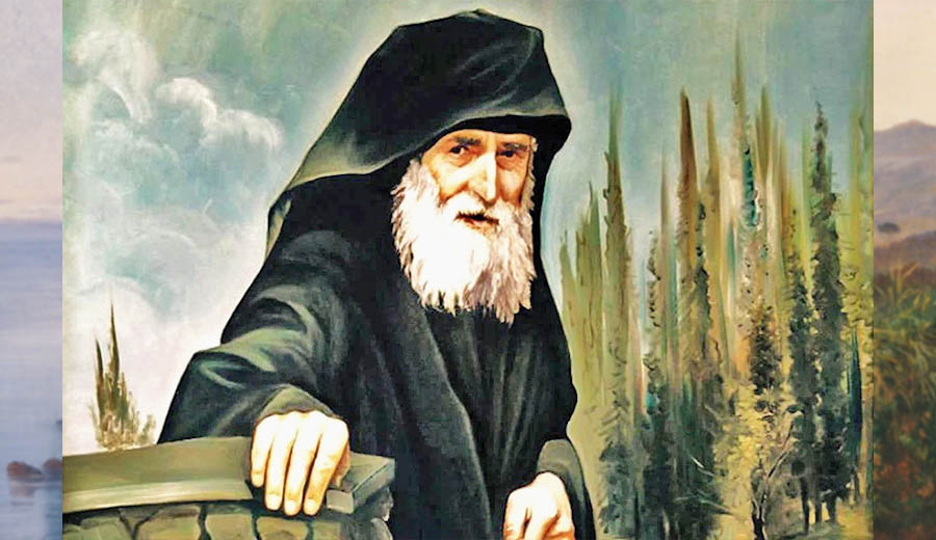
In these times of ever-advancing sciences and thought, the paranormal and the religious are frequently portrayed as being in opposition to each other. Paranormal events are now often mutually disassociated with Christianity; meaning that the secular world views them as an entirely separate class of phenomena, while many Christian denominations either view them as completely fabricated or demonically influenced. Within Christian denominations, there are many layers of irony to these mindsets, as a preacher will often be quick to accuse someone of being demonically influenced. Within this clip in particular, a preacher accuses six members of his congregation of being witches, and that a demon told him their names. This is interesting for a multitude of reasons that I’m sure you can already guess. Perhaps most interesting of all is that, despite his seemingly intense hatred of demons, he places immense trust in their accusations –even if his communion with demons is also definitionally a form of witchcraft. However, history shows that these two concepts – the theological and the paranormal – are inextricably linked, and this can be observed within the life of St. Paisios of the Orthodox Church.
As a devout monk and now Saint within Orthodox Christianity, St. Paisios not only experienced but also took part in a well-documented number of paranormal events. Before his repose (the Orthodox term for when a saint experiences physical death) in 1994, tales of a monk who had, through ceaseless prayer, cured people of late-stage cancers, heart disease and even blindness. Living high in the mountains of Mt. Athos, St. Paisios spent much of his time in his chambers – an extremely small cell built of stone. When he would leave this humble dwelling, he would receive daily visitors to offer counseling and prayer. Visitors of St. Paisios would describe him as having a face which glowed not just in the metaphorical sense, but in the literal as well.
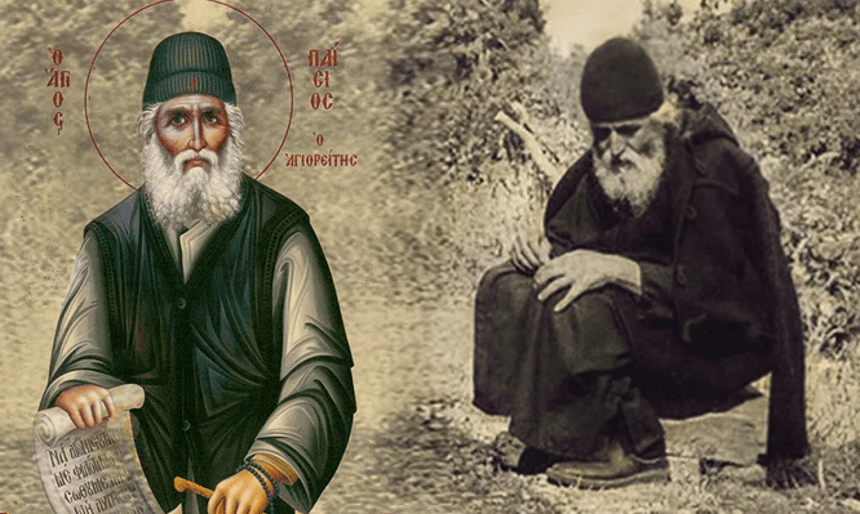
One of the many miracles of St. Paisios, which truly emphasizes this deep connection of Orthodoxy to the paranormal, is the near-death-experience of an unnamed motorcyclist. After suffering a horrific crash that destroyed a large section of his skull, the motorcyclist, who had no real involvement in the faith, was sent into a coma. The motorists’ mother, a pious woman, prayed ceaselessly for the intercession of the saints for her son’s survival, and with a 95% chance of dying, and a 5% chance of being forever bedridden, the odds for the young man were not in his favor. However, after being quickly ushered to her son’s room one day by the medical staff, she found him not only sitting up in his bed but also telling everyone of his experience. While in his coma, the man described seeing a glowing, elderly man who embraced him and told him that it was not yet his time to go, and that there were many Sundays left in his life. The man’s mother then showed him the photographs of the many saints she had been praying to, and that is when he was shocked to see the same man he had previously seen during his near-death experience: St. Paisios.
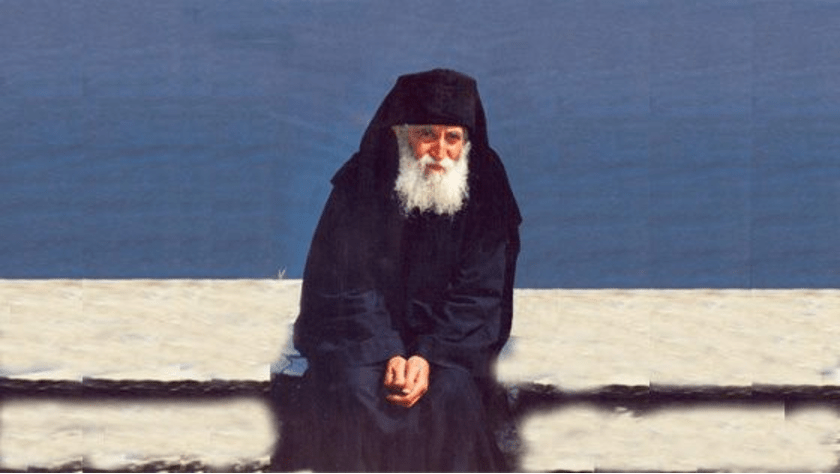
As it turns out, there is an extensive list of miracles in which St. Paisios has terminated the comatose state of those involved in car accidents, whether it be through placing his icon near the victim, or through directly appearing to them in their near-death state. With this vast correlation between miracles and the paranormal as seen through the out-of-body and even the post-repose intercessions of St. Paisios clearly demonstrate at least some form of relationship between these Holy Mysteries and the paranormal world.
The Orthodox Church, being among the oldest forms of Christianity, is still very in touch with the same spirituality in which it is rooted. Despite both the secular world and many modern Christian denominations viewing paranormal events associated with faith as merely metaphorical or incompatible, the Orthodox Church maintains that these events were indeed real and are indeed still occurring to this day.
 Paranormal Culture: A Popular Journal in the Superhumanities!
Leave a comment